Review: Baby Bobcat 1st Christmas Ornament PNG
As a designer who has spent countless hours digitizing and testing embroidery files, I approach every new asset with a mix of curiosity and skepticism. We have all been there: you find a cute graphic, imagine it stitched onto a premium towel or a baby onesie, only to realize the details are too fine for the thread or the density is wrong for the fabric. That is why I took a close look at the Baby Bobcat 1st Christmas Ornament PNG. This isn’t just about whether the image is adorable—though it certainly is—but whether it translates effectively into a tangible, high-quality embroidery project.
First Impressions and Visual Personality
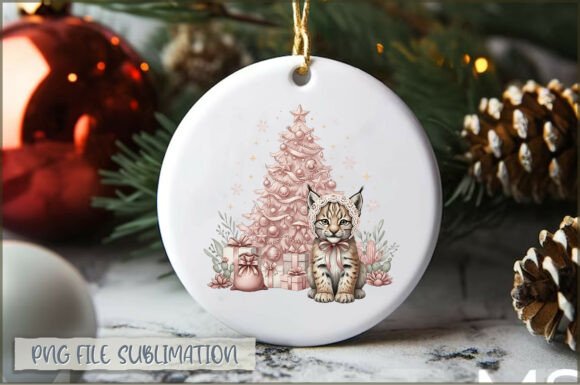
The first thing that strikes me about this design is its balance between whimsy and clarity. The subject matter—a young bobcat nestled in a holiday context—immediately evokes a sense of warmth and nostalgia. For those of us running a craft business, mood is half the battle. Customers aren’t just buying a stitch pattern; they are buying a feeling. This illustration captures the cozy, rustic charm that performs exceptionally well in the current market for nursery decor and holiday gifts.
From a technical standpoint, the lines appear clean and distinct. In the world of Illustrations meant for embroidery, muddy edges are the enemy. A clear silhouette ensures that when we convert this raster image into a machine embroidery design, the software can accurately trace the boundaries for satin stitches and fill stitches. The visual personality suggests a design that is friendly and approachable, making it ideal for baby embroidery or family-oriented personalized gift items.
Real-World Application: The Holiday Sweatshirt Test
To truly evaluate the Baby Bobcat 1st Christmas Ornament PNG, I mentally placed it on a few common substrates. Let’s consider a custom fleece sweatshirt, a staple for any Etsy seller during the fourth quarter. Fleece is forgiving, but it requires careful handling of stitch density to avoid puckering.
If I were using this as a reference for a sweatshirt embroidery project, I would likely simplify some of the finer internal details. The overall shape is strong enough to hold up on a textured surface. Imagine this stitched in rich evergreen and warm rust tones on a cream-colored garment. The contrast would be striking. It works equally well as a centered chest piece or a larger back print. For a small shop product, this versatility is key. You can offer it on hoodies, crewnecks, or even heavy cotton tote bags without needing to completely redraw the asset for each item.
Adapting for Smaller Hoops and Patches
Not every project allows for a large hoop. If you are aiming to create an embroidered patch or a detail on a baby hat, you must be ruthless with simplification. The Baby Bobcat 1st Christmas Ornament PNG has enough bulk in its main shapes to survive scaling down, provided you remove thin connecting lines. A running stitch outline might replace delicate internal shading to maintain clarity. This adaptability makes it a valuable addition to your library of design assets, allowing you to create a cohesive collection across different product types.
Technical Considerations for Stitching
While the visual appeal is high, practical execution requires attention to detail. When converting any PNG into an embroidery file, you must consider the transition from pixel to thread. Here are my professional notes for working with this specific style of illustration:
- Stitch Density: Check the density carefully. Holiday designs often feature dense elements like ornaments or fur textures. On stretchy fabrics like jersey knits, high density can cause distortion. Use a cut-away stabilizer for best results on garments that will be washed frequently.
- Thread Colors: The charm of this design lies in its color palette. Test your thread colors against your fabric background. A dark navy bobcat on a black shirt will vanish. Always run a test stitch on scrap fabric to ensure the contrast pops.
- Fabric Texture: Textured fabrics like terry cloth or waffle knit can hide fine details. This design works best on smooth cottons, polos, or felt where the satin stitch edges can lay flat and crisp.
- Small Details: Inspect the eyes and facial features of the bobcat. In embroidery, tiny details can become lost or turn into bulky knots. You may need to merge small color blocks to reduce thread breaks and improve durability.
Commercial Viability and Brand Consistency
For commercial embroidery professionals, consistency is vital. Using a high-quality source image like the Baby Bobcat 1st Christmas Ornament PNG helps maintain a professional standard. When customers receive a finished product that looks polished and well-executed, their trust in your brand grows. This design fits seamlessly into boutique branding that values handcrafted quality and unique character.
Moreover, this type of imagery is highly shareable on social media. A well-stitched sample of this design on a tote bag design or a kitchen towel can drive engagement. It appeals to the growing demographic of buyers looking for non-traditional, nature-inspired holiday decor. As a digital embroidery file creator or a maker of physical goods, leveraging such distinctive illustrations can set your small shop product apart from generic, mass-produced alternatives.
Where to Use Caution
While versatile, this design is not without its limitations. Avoid using it on very thin, sheer fabrics unless you are employing a full backing stabilizer and possibly an appliqué technique. The weight of the stitches could pull the fabric out of shape. Additionally, be cautious with curved surfaces like caps. The width of the bobcat’s form needs to fit within the usable area of a cap hoop without distorting the facial features. Always create a printable mockup or a digital preview to check proportions before committing to stitching.
Final Verdict for Designers and Makers
The Baby Bobcat 1st Christmas Ornament PNG is a strong contender for your holiday lineup. It offers a blend of cuteness and structural integrity that translates well into embroidery. Whether you are creating custom apparel for clients, stocking up for craft fairs, or selling personalized items online, this design provides a solid foundation. Remember to always verify the licensing terms if you plan to sell the digital embroidery file itself versus the handmade product. Test, adjust, and stitch with confidence. With the right preparation, this illustration can become a standout piece in your portfolio, delighting customers and enhancing the perceived value of your work.