Reviewing Christmas Joy Faux Yarn Png for Stitchers
As a designer who spends half my life staring at digitized files and the other half watching needles punch through fabric, I have learned to be skeptical of trendy aesthetics. The "faux yarn" look has been circulating in digital marketplaces for a while, promising a cozy, hand-knitted vibe without the hours of actual knitting. When I first pulled up Christmas Joy Faux Yarn Png, my initial reaction was cautious curiosity. Does this graphic translate well into a machine embroidery design, or is it just another flat image that loses its charm once stitched?
I decided to put this asset to the test not just as a digital preview, but by visualizing its application on real-world products. For small business owners and Etsy sellers, the difference between a cute graphic and a sellable finished product often comes down to how the design interacts with texture and thread. Here is my practical breakdown of using this illustration in your next holiday project.
The Visual Personality and First Impressions
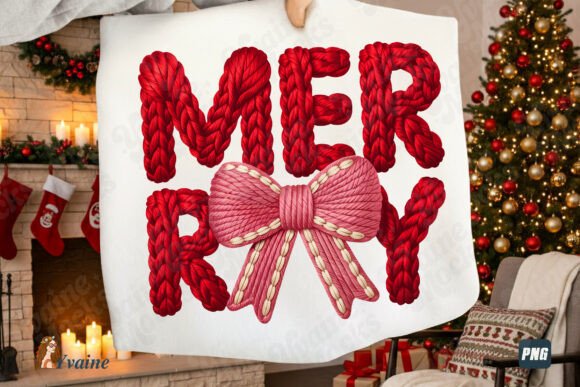
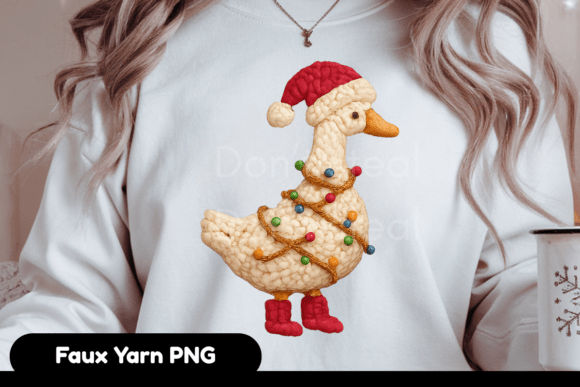
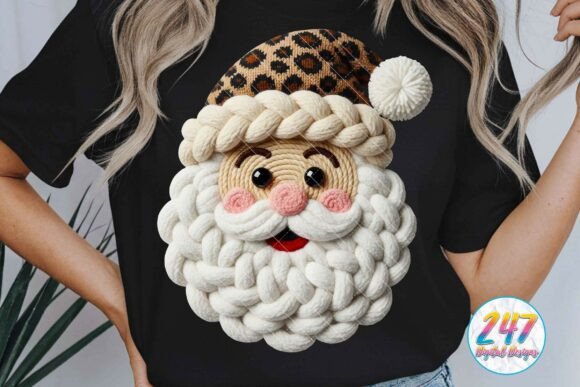
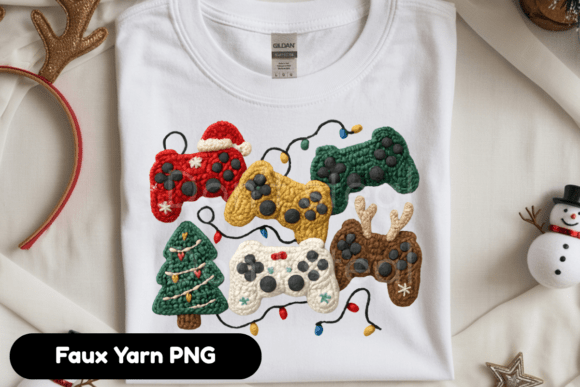
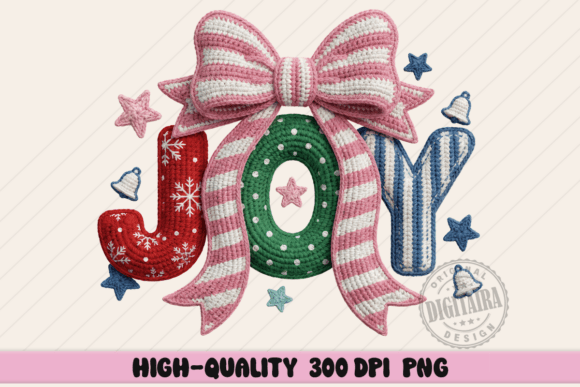
The immediate mood of Christmas Joy Faux Yarn Png is warm and nostalgic. It mimics the chunky, imperfect loops of hand-spun wool, which creates a tactile illusion even before a single stitch is made. In the category of Illustrations, this stands out because it avoids the sterile perfection of vector lines. Instead, it offers organic irregularities that suggest comfort.
For an embroidery designer, this visual personality is a double-edged sword. The "yarn" effect relies on soft edges and overlapping shapes. If you are planning to use this as a reference for digitizing your own embroidery file, you need to pay close attention to how those soft edges translate to satin stitch or fill stitch boundaries. Hard, jagged edges will kill the cozy vibe. The layout feels balanced, with a central focus that draws the eye, making it suitable for items where the design needs to be the hero, such as a tote bag design or the chest of a hoodie.
Real-World Application: The Holiday Sweatshirt Test
To evaluate its commercial viability, I imagined applying this design to a custom sweatshirt embroidery project. This is a high-demand item for craft business owners during Q4. The faux yarn aesthetic pairs beautifully with heavy cotton or fleece fabrics. The visual weight of the design matches the substantial feel of a winter garment.
However, context matters. If you are creating a personalized gift for a client, consider the color palette. The design works best when there is high contrast between the "yarn" colors and the garment. A cream-colored faux yarn effect on a navy sweatshirt pops beautifully, whereas low-contrast combinations might make the details muddy. For holiday embroidery projects, sticking to traditional reds, greens, and creams ensures the design remains recognizable from a distance, which is crucial for buyer engagement on platforms like Etsy.
Challenges with Small Hoops and Curved Surfaces
While the design shines on large, flat surfaces, I would advise caution when scaling it down. If you are attempting to use this on a cap or a small embroidered patch, the intricate "loops" of the yarn effect may become lost. Stitch density becomes a critical factor here. If the digitizer packs too many stitches into the small curves of the yarn illustration, you risk needle breaks and fabric puckering.
Curved surfaces like baseball caps present another challenge. The faux yarn look relies on a sense of flow. On a curved panel, distortion can occur if the hoop size and stabilizer are not perfectly matched to the fabric. I recommend testing this design on a scrap piece of similar material first. Check if the corners of the letters or decorative elements pull inward. If they do, you may need to adjust the pull compensation in your digitizing software or choose a stiffer cut-away stabilizer.
Fabric Texture and Thread Choices
The success of Christmas Joy Faux Yarn Png depends heavily on your choice of thread colors and fabric texture. Using a matte rayon or polyester thread will help mimic the dull sheen of real wool. Shiny threads might betray the illusion, making the design look plastic rather than cozy.
When working with textured fabrics like terry cloth towels or waffle-weave blankets, the design needs to sit on top of the texture rather than sinking into it. This is where proper stabilization is non-negotiable. For a kitchen towel or apron, use a strong tear-away or cut-away backing to ensure the running stitch outlines and fill areas remain crisp. If the design sinks into the pile of the fabric, the "yarn" effect disappears, and you are left with a blurry mess.
Commercial Use and Licensing Considerations
Before listing any small shop product featuring this design, you must verify the licensing terms. As an Illustrations asset, it may be intended for digital use only, such as printable mockup creation or sublimation printing. If you plan to use it as a reference for creating a digital embroidery file to sell or stitch out for commercial clients, ensure you have the right to create derivative works.
Many creative entrepreneurs mistakenly assume that purchasing a PNG grants unlimited commercial rights for physical goods. Always read the fine print. If the license allows for physical production, great. If it is for digital use only, you might need to hire a digitizer to recreate the look from scratch, using the PNG as a visual guide rather than a direct template. This protects your brand consistency and keeps you legally safe.
Final Verdict for Makers and Designers
Christmas Joy Faux Yarn Png is a strong contender for holiday collections, provided it is handled with technical care. It offers a unique visual appeal that differentiates your handmade product from standard embroidered fonts. It builds customer trust by appearing thoughtful and artisanal, even if machine-made.
My advice is to start with a test stitch on a medium-weight cotton. Evaluate the stitch density and adjust your tension if necessary. Use this design for items that benefit from a cozy narrative: baby blankets, winter hats, and festive home decor. Avoid using it on thin, stretchy fabrics unless you have extensive experience with stabilizing difficult materials. By treating this illustration as a structural element rather than just a pretty picture, you can elevate your custom apparel and giftability factor significantly. Happy stitching.